Trippy News
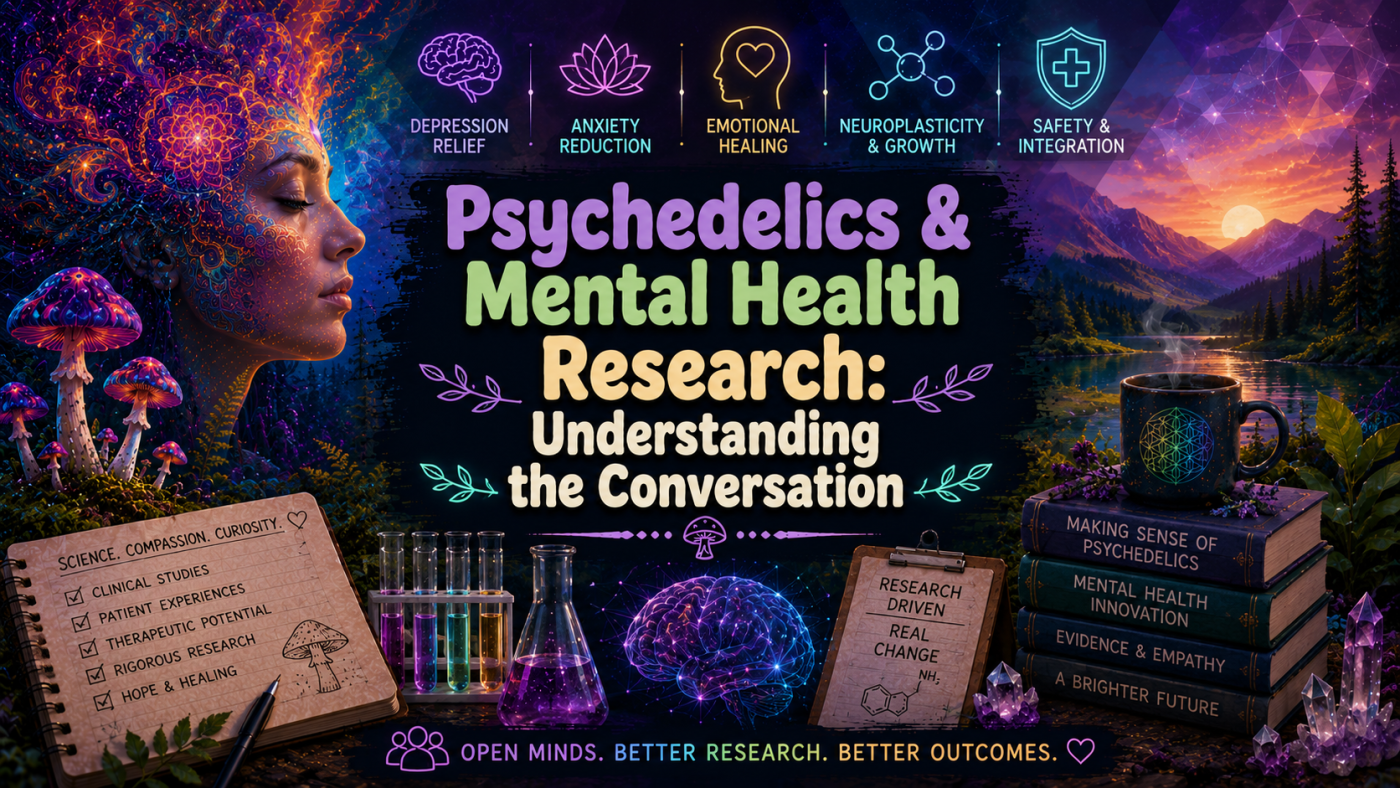
Psychedelics & Mental Health Research: Understanding the Conversation
May
Psychedelics & Mental Health Research: Understanding the Conversation
Interest in psychedelics has expanded dramatically over the past decade. Universities, research institutions, healthcare organizations, and independent researchers are studying compounds such as psilocybin, MDMA, LSD, and DMT to better understand their effects on consciousness, perception, emotional processing, and mental well-being.
As these studies receive more media attention, public curiosity continues growing. Many people are searching for information about psilocybin mushrooms, psychedelic-assisted therapy, microdosing, neuroplasticity, mindfulness, emotional awareness, and mental health research.
For newcomers, the amount of information available can feel overwhelming. Scientific studies, podcast discussions, documentaries, social media content, and personal stories often present different perspectives. Understanding the difference between research findings, personal experiences, and responsible psychedelic education is essential.
At Trippy Oregon, we believe psychedelic conversations should be grounded in education, harm reduction, and informed decision-making. Whether you are exploring mushroom wellness, researching psilocybin, or learning about psychedelic culture for the first time, knowledge creates a stronger foundation for responsible exploration.
Why Psychedelic Research Is Receiving Attention
Researchers have become increasingly interested in how psychedelic compounds affect the brain, perception, and subjective experience.
Several factors have contributed to growing public awareness:
- Increased scientific research
- Mainstream media coverage
- Documentary films
- Educational podcasts
- Public discussions involving researchers and educators
- Growing interest in mindfulness and consciousness studies
These conversations have helped introduce psychedelic topics to people who may never have encountered them before.
As a result, more individuals are asking questions about mushrooms, microdosing, altered states of awareness, emotional reflection, and the role psychedelics may play in future wellness discussions.
What Compounds Are Researchers Studying?
Several psychedelic compounds appear regularly in research discussions.
Psilocybin
Psilocybin is the naturally occurring compound found in psychedelic mushrooms.
It remains one of the most researched psychedelic substances and is often discussed in relation to:
- Consciousness studies
- Emotional processing
- Mindfulness
- Neuroplasticity
- Subjective wellbeing
- Personal insight
Because psilocybin mushrooms are among the most widely recognized psychedelics, they continue attracting interest from both researchers and consumers.
Popular mushroom varieties often discussed within mushroom culture include:
- Penis Envy
- Psilocybe Cubensis
- Liberty Caps
Understanding differences in potency and dosage between mushroom varieties is an important part of responsible education.
MDMA
MDMA frequently appears in discussions involving emotional awareness, empathy, and structured therapeutic research environments.
Public interest has increased as studies continue examining its effects within controlled settings.
LSD
LSD remains one of the most influential psychedelics in modern culture.
Research and public discussions often explore topics such as:
- Creativity
- Perception
- Consciousness
- Self-reflection
- Expanded thinking
DMT
DMT continues attracting attention because of its intensity and the profound experiences many individuals describe.
Topics frequently associated with DMT include:
- Spiritual exploration
- Consciousness studies
- Symbolic experiences
- Altered perception
- Mystical experiences
Understanding Neuroplasticity
One of the most common terms appearing in psychedelic research discussions is neuroplasticity.
Neuroplasticity refers to the brain’s ability to adapt, reorganize, and form new neural connections throughout life.
Researchers continue exploring how learning, experience, mindfulness practices, and various environmental factors may influence these processes.
Because neuroplasticity plays a role in learning and adaptation, it frequently appears in conversations involving psychedelic research and personal development.
For many people, this concept serves as a gateway into broader discussions about consciousness, self-awareness, and mental wellbeing.
Clinical Research Is Different From Personal Use
One of the most important concepts for newcomers to understand is that research environments differ significantly from independent psychedelic use.
Clinical studies often involve extensive preparation and oversight.
Research settings may include:
- Participant screening
- Professional supervision
- Controlled environments
- Structured preparation
- Observation protocols
- Follow-up discussions
- Integration support
These elements are designed to create consistency and safety within the research process.
This is very different from recreational, impulsive, or poorly planned use.
Understanding this distinction helps create more realistic expectations when reading headlines or hearing discussions about psychedelic research.
Why Harm Reduction Matters
As public curiosity grows, harm reduction becomes increasingly important.
Many newcomers discover psychedelics through social media, podcasts, documentaries, or personal stories. While these sources can introduce valuable ideas, they rarely provide comprehensive guidance about preparation, dosage, or safety considerations.
At Trippy Oregon, we encourage visitors to approach psychedelic education with patience and intention.
Important harm reduction principles include:
Learn Before Exploring
Understanding a substance before using it is one of the most effective ways to reduce unnecessary risks.
Understand Dosage
Different mushroom varieties may vary significantly in potency.
A dose that feels manageable with one mushroom variety may feel very different with another.
Learn About Set and Setting
Mindset and environment play important roles in psychedelic experiences.
Factors such as emotional state, expectations, comfort, and surroundings can influence how an experience unfolds.
Avoid Impulsive Decisions
Psychedelics deserve respect and preparation.
Rushing into an experience without adequate knowledge can increase the likelihood of discomfort or confusion.
Understand Local Laws
Regulations surrounding psychedelic substances vary significantly by state, city, and country.
Always verify applicable laws before obtaining or using psychedelic products.
Mushroom Education Beyond Headlines
Many people first encounter psychedelics through sensational headlines or social media discussions.
However, meaningful psychedelic education extends beyond news articles and trending topics.
Responsible learning includes understanding:
- Mushroom varieties
- Potency differences
- Dosage ranges
- Microdosing practices
- Harm reduction
- Mindfulness
- Consciousness studies
- Set and setting
- Product quality
These topics help individuals build a more informed relationship with mushrooms and psychedelic culture.
Building a Responsible Relationship With Psychedelics
Research continues expanding our understanding of psychedelic compounds, but education remains the most important tool available to consumers.
Whether someone is interested in microdosing, mushroom wellness, psychedelic culture, or consciousness exploration, preparation should always come before experimentation.
The most informed consumers typically spend time learning about:
- Psilocybin mushrooms
- Dosage awareness
- Harm reduction
- Mushroom potency
- Emotional readiness
- Legal considerations
- Responsible exploration
Knowledge creates safer experiences and better decisions.
Continue Learning With Trippy Oregon
At Trippy Oregon, our mission is to support psychedelic literacy through education, community learning, dosage guidance, and harm reduction-focused resources.
Explore our growing collection of:
- Mushroom wellness articles
- Microdosing guides
- Psilocybin education resources
- Harm reduction content
- Product education
- Psilocybin Dosage Calculator
- Premium mushroom collections
Whether you’re researching psychedelic studies, learning about mushroom varieties, or exploring psychedelic culture for the first time, education remains the foundation of responsible exploration.
The more you understand mushrooms, dosage, preparation, and harm reduction, the better equipped you’ll be to navigate the evolving world of psychedelics with confidence and awareness.