Trippy News
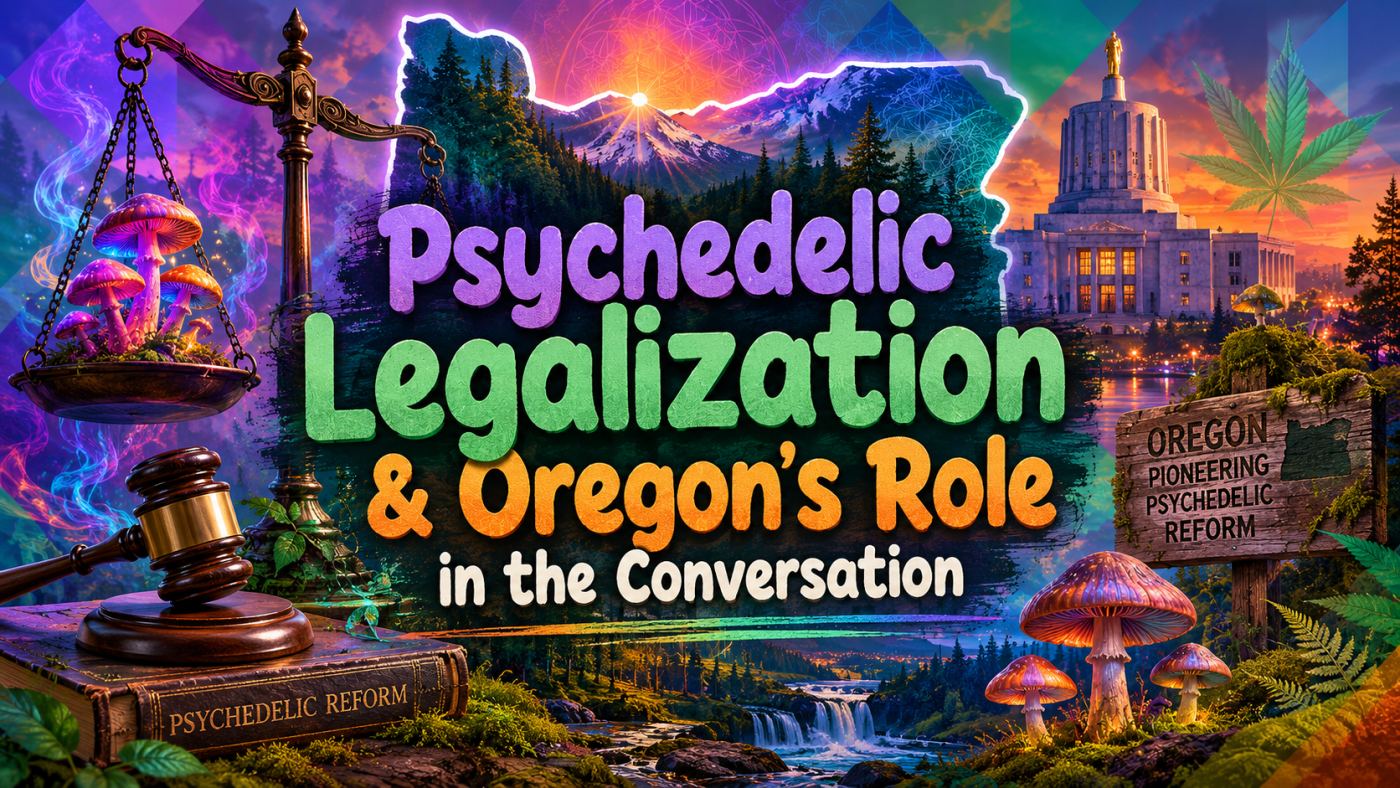
Psychedelic Legalization & Oregon’s Role in the Conversation
May
Psychedelic Legalization & Oregon’s Role in the Conversation
As interest in psychedelics continues to grow across the United States, more people are searching for information about psychedelic legalization, decriminalization, psilocybin mushrooms, psychedelic wellness, and responsible exploration. Questions about what is legal, what is changing, and how Oregon fits into the larger conversation have become some of the most searched topics in modern psychedelic culture.
At Trippy Oregon, we believe psychedelic education should always begin with accurate information, harm reduction, and awareness. Whether you are new to mushroom wellness or simply trying to understand current psychedelic laws, having access to trustworthy educational resources is an important first step.
Oregon has become one of the most influential states in the psychedelic movement due to its role in developing regulated psilocybin service programs and helping shape public discussions around psychedelic reform, consciousness exploration, and mushroom education.
Why Are So Many People Interested in Psychedelic Legalization?
Over the last decade, public interest in psychedelics has expanded significantly. Universities, researchers, healthcare professionals, veterans, wellness communities, and policymakers have all contributed to growing discussions surrounding psilocybin, MDMA, LSD, DMT, and other psychedelic substances.
Many people are exploring topics related to:
- Psilocybin mushrooms and mushroom wellness
- Microdosing and mindfulness
- Psychedelic-assisted wellness discussions
- Consciousness exploration
- Neuroplasticity research
- Psychedelic retreats and guided experiences
- Legalization and decriminalization policies
- Harm reduction and responsible use
As public awareness grows, so does the need for clear educational resources that help people understand both the opportunities and responsibilities that come with psychedelic exploration.
What Is the Difference Between Legalization and Decriminalization?
One of the most common sources of confusion is the difference between legalization and decriminalization.
Decriminalization generally refers to reducing or removing criminal penalties associated with possession or personal use. In many cases, decriminalization does not create legal sales, regulated products, or formal service programs.
Legalization typically involves creating a structured framework with regulations, oversight, licensing requirements, and specific rules governing how substances or services may be accessed.
Because laws vary significantly from one state, city, or country to another, individuals should always research and verify current regulations within their location before making decisions involving psychedelic substances.
Why Oregon Has Become a National Talking Point
Oregon occupies a unique place in modern psychedelic culture. The state has helped introduce new conversations surrounding regulated psilocybin services, psychedelic education, and public awareness.
As a result, Oregon is frequently referenced in discussions involving:
- Psilocybin service programs
- Psychedelic policy reform
- Consciousness exploration
- Mushroom wellness education
- Responsible psychedelic use
- Harm reduction initiatives
While public interest continues to grow, Oregon’s evolving role has also highlighted the importance of education, preparation, informed decision-making, and legal awareness.
Psilocybin, Mushroom Wellness & Responsible Exploration
Psilocybin mushrooms remain one of the most discussed psychedelic substances in both educational and wellness communities. Many individuals are drawn to conversations surrounding mindfulness, creativity, introspection, emotional awareness, and personal growth.
However, curiosity should always be paired with education. Understanding dosage, preparation, set and setting, emotional readiness, and personal responsibility can help create a safer and more informed experience.
At Trippy Oregon, we encourage visitors to learn before they explore. Educational resources, dosage guidance, and harm reduction practices are essential parts of modern mushroom wellness conversations.
For newcomers, our Psilocybin Dosage Calculator provides an educational tool designed to help users better understand dosage ranges based on body weight, mushroom type, preparation method, and intended experience intensity.
The Importance of Harm Reduction
As psychedelic culture becomes more visible, harm reduction remains one of the most important aspects of responsible education.
Harm reduction focuses on helping people make informed decisions by encouraging:
- Preparation and planning
- Understanding dosage
- Learning about set and setting
- Emotional readiness
- Awareness of legal considerations
- Responsible decision-making
- Access to accurate educational information
No matter where an individual stands on psychedelic policy, education and safety should remain central to the conversation.
The Future of Psychedelic Education
The future of psychedelic culture will likely be shaped not only by changing laws but also by increasing public awareness, scientific research, community education, and responsible exploration.
As conversations continue evolving, more people are seeking reliable information about mushrooms, psychedelics, consciousness, mindfulness, and wellness. This growing interest creates an opportunity for education-focused platforms to help individuals navigate these topics responsibly.
At Trippy Oregon, our goal is to contribute to that conversation through educational articles, mushroom wellness resources, dosage tools, videos, podcasts, and community learning opportunities designed to support informed decision-making.
Education Before Exploration
Whether you are interested in psychedelic legalization, mushroom wellness, microdosing, consciousness exploration, or simply learning more about the evolving psychedelic landscape, education should always come first.
We encourage visitors to continue exploring our educational blog, product resources, and Psilocybin Dosage Calculator to better understand fungi, psychedelic culture, harm reduction, and responsible exploration.
As Oregon continues playing a prominent role in psychedelic discussions, informed education, personal responsibility, and thoughtful community conversations will remain essential to the future of psychedelic wellness.