Trippy News
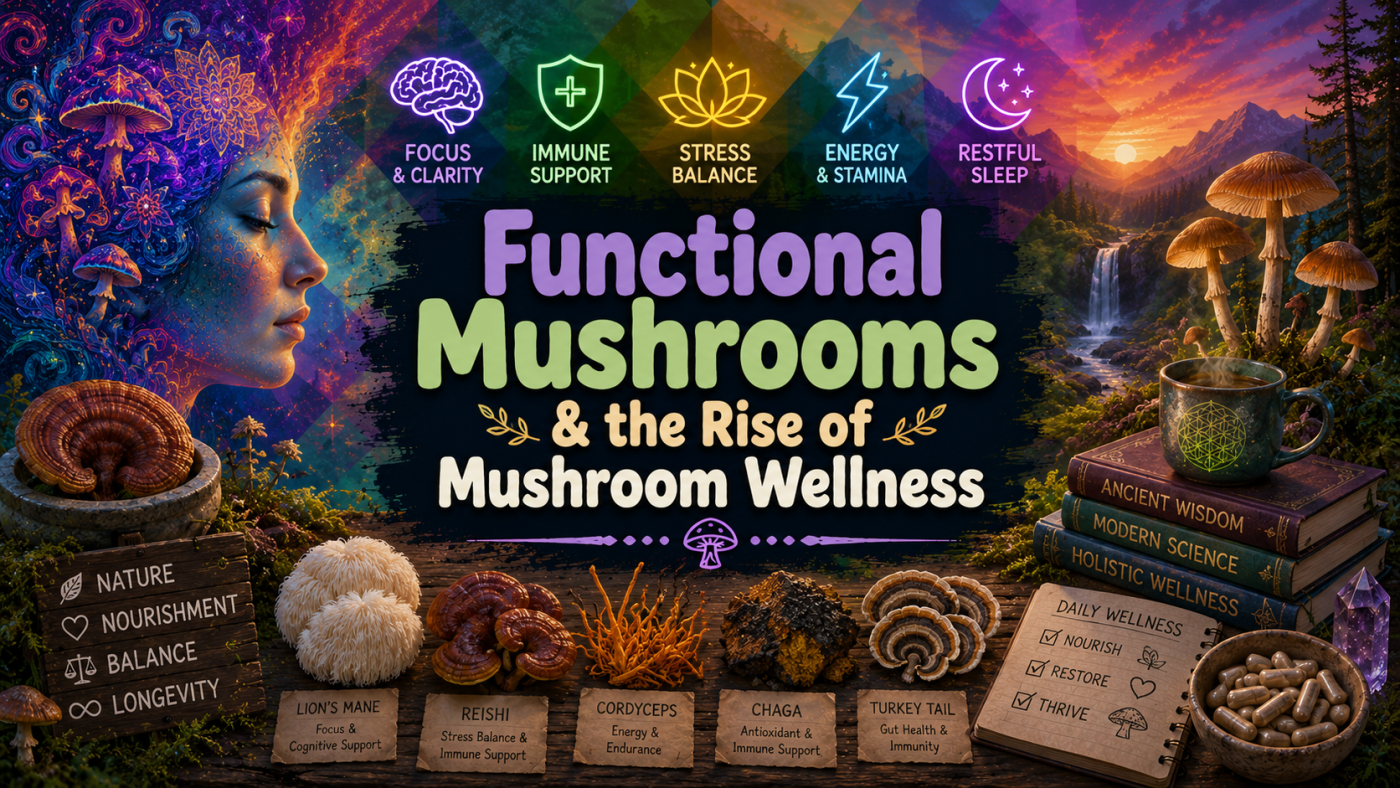
Functional Mushrooms & the Rise of Mushroom Wellness
May
Functional Mushrooms & the Rise of Mushroom Wellness
Mushrooms have become one of the fastest-growing categories in modern wellness. While public conversations often focus on psychedelic mushrooms such as Psilocybe Cubensis, Penis Envy, and Liberty Caps, interest in functional mushrooms has expanded rapidly among consumers seeking natural wellness products, mindfulness practices, and a deeper understanding of fungi.
Today, mushroom coffees, tinctures, capsules, powders, and wellness supplements can be found in health stores, fitness communities, wellness blogs, and daily routines around the world. This growing movement has introduced millions of people to the broader world of mushroom wellness and helped spark curiosity about fungi, neuroplasticity, consciousness, and psychedelic education.
At Trippy Oregon, we believe mushroom education should include both functional and psychedelic mushrooms. Understanding the differences between these categories helps consumers make more informed decisions while building a safer and more responsible relationship with mushroom-based products.
What Are Functional Mushrooms?
Functional mushrooms are non-psychedelic mushroom species commonly used in wellness products, supplements, teas, coffees, and extracts.
Unlike psychedelic mushrooms, functional mushrooms do not contain psilocybin and do not produce altered states of consciousness.
Instead, they are often incorporated into daily wellness routines because of their long history of traditional use and growing popularity within modern health communities.
Some of the most recognized functional mushrooms include:
- Lion’s Mane
- Reishi
- Cordyceps
- Turkey Tail
- Chaga
Each species has unique characteristics and has developed a dedicated following within the wellness space.
Lion’s Mane: The Most Popular Functional Mushroom
Lion’s Mane has become one of the most talked-about mushrooms in the wellness industry.
Its distinctive appearance resembles a white cascading mane, giving the mushroom its name.
Lion’s Mane is frequently discussed in conversations surrounding:
- Focus
- Productivity
- Learning
- Creativity
- Cognitive wellness
- Mindfulness
Because of these discussions, Lion’s Mane is often one of the first functional mushrooms people encounter before exploring broader topics related to mushroom culture and psychedelic education.
Reishi: The Mushroom of Relaxation
Reishi has been used in traditional wellness practices for centuries.
Modern consumers often include Reishi in evening wellness routines, herbal blends, and mushroom supplements.
Reishi is commonly associated with:
- Relaxation practices
- Mindfulness routines
- Wellness rituals
- Balance and recovery
- Stress management discussions
Its popularity continues growing among people seeking alternatives to highly stimulating wellness products.
Cordyceps: Energy & Performance
Cordyceps has become especially popular among athletes, fitness enthusiasts, and active individuals.
Many consumers use Cordyceps products as part of routines focused on:
- Physical activity
- Endurance
- Outdoor performance
- Recovery discussions
- Active lifestyles
As wellness culture expands, Cordyceps remains one of the most recognizable functional mushrooms in the market.
Turkey Tail & Chaga
Turkey Tail and Chaga have also become increasingly popular within the mushroom wellness industry.
Consumers interested in holistic wellness, herbal traditions, and natural health practices often explore these mushrooms as part of broader wellness routines.
Their growing popularity demonstrates how fungi continue influencing conversations around health, nature, and personal wellbeing.
Why Mushroom Wellness Is Growing So Quickly
Several factors are driving the rapid growth of mushroom wellness products.
Increased Interest in Natural Wellness
Many consumers are looking for alternatives that align with holistic lifestyles and wellness-focused habits.
Growing Curiosity About Fungi
Documentaries, podcasts, books, and educators such as Paul Stamets have helped introduce fungi to a wider audience.
Mindfulness & Self-Care Trends
As mindfulness practices become more mainstream, people are exploring products that fit into intentional daily routines.
Mushroom Coffee & Adaptogens
Functional mushrooms have become common ingredients in:
- Mushroom coffee
- Wellness beverages
- Adaptogenic supplements
- Daily wellness stacks
- Nutritional products
These products have helped normalize mushroom consumption and increase public awareness of fungi.
Functional Mushrooms vs Psychedelic Mushrooms
One of the most important topics for newcomers is understanding the difference between functional mushrooms and psychedelic mushrooms.
Functional mushrooms:
- Do not contain psilocybin
- Do not produce psychedelic effects
- Are commonly used in wellness products
- Are often consumed daily
Psychedelic mushrooms:
- Contain psilocybin
- Produce altered states of consciousness
- Are associated with introspection and perception changes
- Require additional education and harm reduction awareness
Understanding this distinction helps consumers approach mushroom products with realistic expectations and greater confidence.
How Functional Mushrooms Introduce People to Mushroom Culture
Many people who become interested in psychedelic education begin their journey with functional mushrooms.
A person may start by trying:
- Lion’s Mane coffee
- Reishi tea
- Cordyceps capsules
- Mushroom supplements
As curiosity grows, they often begin learning about:
- Fungi biology
- Mushroom cultivation
- Psilocybin mushrooms
- Microdosing
- Neuroplasticity
- Consciousness exploration
- Psychedelic culture
This progression has helped create a broader public appreciation for mushrooms as a whole.
Education and Harm Reduction Matter
As interest in mushrooms grows, education becomes increasingly important.
Many consumers enter the mushroom space without understanding:
- Different mushroom species
- Product quality differences
- Dosage considerations
- Functional versus psychedelic mushrooms
- Legal considerations
- Responsible exploration practices
At Trippy Oregon, we believe education should always accompany product discovery.
Whether someone is exploring functional mushrooms, researching microdosing, or browsing psychedelic mushroom products, informed decisions lead to safer and more meaningful experiences.
The Connection Between Mushroom Wellness and Psychedelic Education
The rise of mushroom wellness has helped create new opportunities for psychedelic education.
As more people learn about fungi, they often become interested in broader conversations involving:
- Psilocybin mushrooms
- Microdosing
- Mindfulness
- Neuroplasticity
- Consciousness studies
- Harm reduction
- Mushroom culture
This growing interest has helped create a more informed and engaged community around fungi and psychedelic wellness.
Continue Learning With Trippy Oregon
At Trippy Oregon, our mission extends beyond products.
We provide educational resources designed to help newcomers understand mushroom culture, psychedelic wellness, dosage awareness, harm reduction, and responsible exploration.
Explore our growing collection of:
- Mushroom wellness articles
- Microdosing guides
- Psilocybin education resources
- Harm reduction content
- Mushroom product collections
- Psilocybin Dosage Calculator
Whether you’re discovering Lion’s Mane for the first time or researching psychedelic mushrooms such as Penis Envy, Cubensis, and Liberty Caps, education remains the foundation of responsible exploration.
The more you understand mushrooms, the more prepared you’ll be to navigate the expanding world of fungi, wellness, and psychedelic culture with confidence.